Vintage Clothes: A Timeless Trend in Fashion and Typography
In a world where trends come and go, Vintage Clothes stands out as a design element that bridges the gap between past and present. Known for its bold and assertive presence, this slab serif font is more than just a typographic choice—it’s a statement. While it shares a name with a beloved fashion era, Vintage Clothes is actually a typeface that can dramatically enhance any visual project. Whether you're crafting branding materials, designing websites, or preparing editorial content, understanding how to use this font effectively can make all the difference.
The Bold Character of Vintage Clothes Font
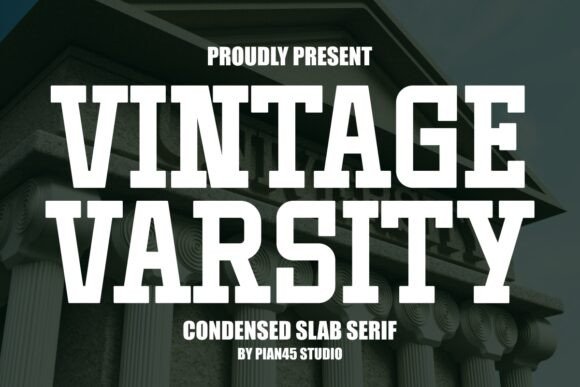
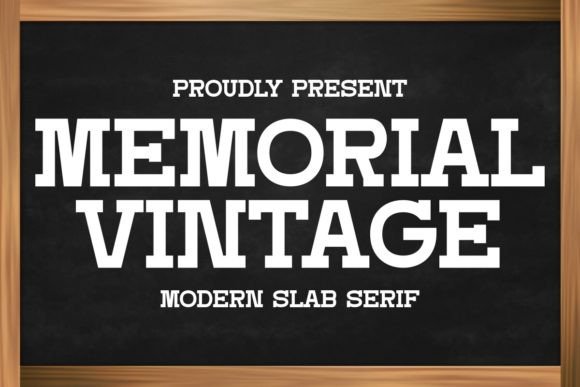
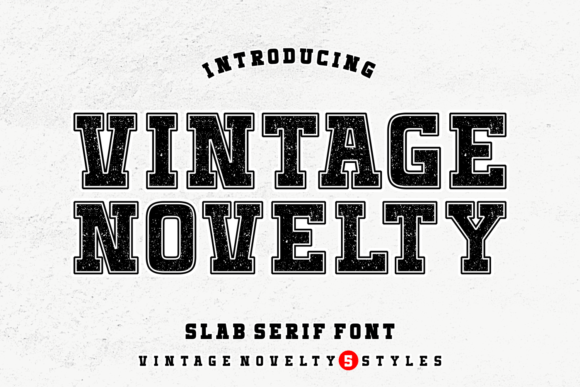
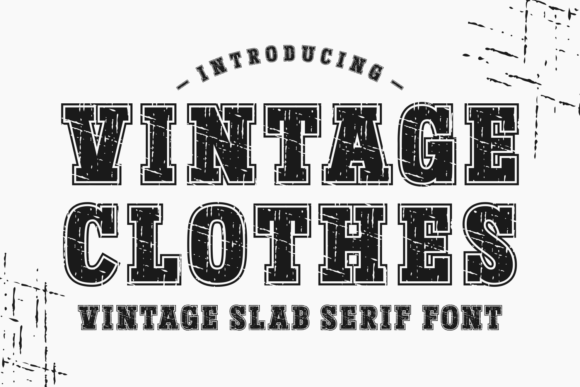
Vintage Clothes is a slab serif font characterized by its strong, angular serifs and thick, weighty strokes. These features give it a sense of authority and classic elegance while maintaining a modern edge. Unlike delicate or ornate fonts, which may not hold up well in digital formats, Vintage Clothes is built for clarity and impact across a range of mediums.
The font's unique personality makes it particularly effective in headlines, logos, and other high-impact text elements. Its readability on screens and in print ensures it remains versatile without sacrificing style. Designers who value both aesthetics and functionality often find themselves returning to Vintage Clothes for projects that require a touch of vintage charm with contemporary usability.
Why Slab Serifs Work So Well
- Strong Visual Presence: The heavy serifs help the font stand out even at smaller sizes, making it great for signage and packaging.
- Legibility: Despite its boldness, the font maintains excellent legibility due to its balanced spacing and clean lines.
- Timelessness: Slab serifs have been around since the early 19th century and continue to be relevant in today’s design landscape.
Applications Across Industries
Vintage Clothes isn't limited to one industry or niche. Its adaptability has made it a favorite among professionals in various fields. Here are some common uses and why they work:
1. Branding and Logos
Many brands choose Vintage Clothes for their logos because it conveys trust, heritage, and a bit of nostalgia. It’s especially popular in industries like fashion, food, and lifestyle, where a vintage aesthetic is often desired. For example, a retro clothing boutique might use this font to evoke a sense of authenticity and history.
The font's assertiveness helps create a memorable identity, and when paired with the right color palette and imagery, it can reinforce brand values instantly.
2. Website Design
Websites that want to stand out from the typical sans-serif crowd often turn to Vintage Clothes for headers and subheaders. Its boldness adds character to minimalist layouts, while its slab serifs provide structure and sophistication.
Web designers appreciate how it works well with modern UI trends—think flat design or subtle gradients. When used correctly, it doesn’t overwhelm the page but instead draws attention to key messages and calls to action.
3. Print Media and Packaging
In print, the font shines. It looks stunning on product labels, posters, and brochures. Because of its thickness and contrast, it resists fading and maintains sharpness, even when printed at lower resolutions. This is especially important for packaging, where quick readability is crucial for consumer engagement.
4. Social Media and Marketing Campaigns
Marketing teams love using Vintage Clothes in social media posts and promotional materials. Its retro vibe aligns perfectly with campaigns that focus on vintage-inspired themes, such as throwback promotions or collaborations with heritage brands. It adds a layer of storytelling to visual content, helping audiences connect emotionally with the message being delivered.
How to Use Vintage Clothes Effectively
While the font is visually striking, it’s essential to use it wisely. Here are some practical tips for incorporating Vintage Clothes into your designs:
- Use It Sparingly: Reserve this font for headlines or short bursts of text. Overusing it can lead to visual fatigue and reduce its impact.
- Pair With Complementary Fonts: Combine Vintage Clothes with a softer sans-serif or script font to balance the heaviness. This approach creates a dynamic yet cohesive typographic hierarchy.
- Consider Color and Contrast: Darker tones tend to highlight the font’s strength, but don’t be afraid to experiment with muted colors or gradients for a more nuanced look.
- Test It On Different Surfaces: Before finalizing a design, ensure the font reads clearly on both digital and physical media. Adjust size and spacing accordingly.
Real-World Examples
To see Vintage Clothes in action, consider the following examples:
- A boutique selling secondhand fashion uses the font in its logo and window displays to emphasize the vintage theme of its inventory.
- A coffee shop rebrands with a retro feel, choosing Vintage Clothes for its menu boards and signage to reflect a cozy, nostalgic atmosphere.
- An online magazine dedicated to vintage culture integrates the font into its masthead and feature titles to maintain a consistent visual language throughout the site.
Vintage Clothes vs. Other Fonts
When choosing a font, many designers compare Vintage Clothes with other popular options. Here’s how it stacks up:
Sans Serif Fonts: Fonts like Helvetica or Arial are clean and neutral but lack the distinctive flair of Vintage Clothes. If you want something that commands attention, the slab serif is a better choice.
Script Fonts: While elegant, script fonts can be difficult to read and aren’t always suitable for body text. Vintage Clothes offers a similar artistic appeal without compromising legibility.
Decorative Fonts: Many decorative fonts are too stylized for everyday use. They may work for logos or accents but not for large blocks of text. In contrast, Vintage Clothes is designed to handle extended use while still feeling special.
Choosing the Right Weight
Vintage Clothes comes in multiple weights, allowing you to tailor its appearance to your specific needs. From light to extra bold, each variation brings something different to the table:
- Light: Great for backgrounds or secondary text where you want a hint of vintage charm without overpowering the design.
- Regular: Ideal for most headlines and display text. It offers a perfect balance between boldness and subtlety.
- Bold and Extra Bold: Best reserved for logos, banners, and other focal points. These weights really drive home the message and add gravitas.
Common Considerations Before Choosing Vintage Clothes
Before you commit to using Vintage Clothes in your project, there are several factors to keep in mind:
- Target Audience: Does your audience respond to vintage aesthetics? If so, this font will resonate with them. If not, consider if it aligns with your brand voice regardless of current trends.
- Project Scope: Will the font need to scale down for small print or up for billboards? Test it at different sizes to ensure it performs well across all applications.
- Color Scheme: Dark fonts like Vintage Clothes pop best against light backgrounds. However, experimenting with contrasting colors can yield creative results.
- Readability Needs: If your project requires long paragraphs or dense text, avoid using Vintage Clothes for body copy. Save it for headlines and titles where it can shine.
Accessibility and Readability
Accessibility is a growing concern in design, and Vintage Clothes is no exception. While it’s an excellent choice for display text, it should be avoided for body copy unless accessibility tools are used to adjust contrast and size. Always ensure that the text is easy to read for people with visual impairments or dyslexia.
Integrating Vintage Clothes Into Modern Projects
Even though it has a vintage feel, this font fits seamlessly into modern workflows. Here’s how you can integrate it into your next project:
1. Digital Publishing
Whether you’re creating an eBook, blog post, or newsletter, using Vintage Clothes for section headers or pull quotes can elevate the design. Just make sure to pair it with a readable body font like Lato or Open Sans.
2. User Interface (UI) Design
In app or website interfaces, the font can be used for buttons, navigation menus, or title bars. Its assertiveness makes it ideal for guiding user attention, especially in areas that need emphasis.
3. Graphic Design and Advertising
For print ads, posters, or flyers, Vintage Clothes adds a timeless quality. Pair it with vintage-style illustrations or sepia-toned photos for a cohesive look that evokes emotion and familiarity.
4. Merchandise and Apparel
Apparel brands frequently use this font for tags, labels, and promotional material. Its bold nature makes it perfect for embroidered patches or screen-printed t-shirts, where crisp edges are essential.
Where to Find and How to Install Vintage Clothes
If you’re interested in adding Vintage Clothes to your font library, there are several places to purchase or download it. Popular platforms like Adobe Fonts, Google Fonts, and independent foundries offer the font in various licensing options. Make sure to check usage rights before downloading, especially if you plan to use it commercially.
Once acquired, installing the font is usually straightforward. Most operating systems allow you to simply double-click the font file and click “Install.” After installation, you can access it through your design software or word processors. Some web developers prefer to host the font locally rather than using external services for faster load times and greater control over styling.
Testing the Font
Before finalizing your design, test the font in different contexts. Create mockups using tools like Photoshop, Illustrator, or Canva to see how it interacts with images, colors, and other typography elements. You might also consider how it looks in motion—especially if it’s part of a video or animated banner.
Final Thoughts on Using Vintage Clothes
Vintage Clothes is more than just a font—it’s a design tool that can shape the tone and personality of your project. Its bold, confident style makes it a go-to choice for designers who want to infuse a sense of history and class into their work. As long as you understand its strengths and limitations, you can harness its potential to create compelling, memorable visuals.
From branding to web design, from print to digital, this font has proven itself time and again. So the next time you’re looking for a font that combines vintage charm with modern versatility, remember why Vintage Clothes is worth considering—and maybe even necessary—for your next creative endeavor.